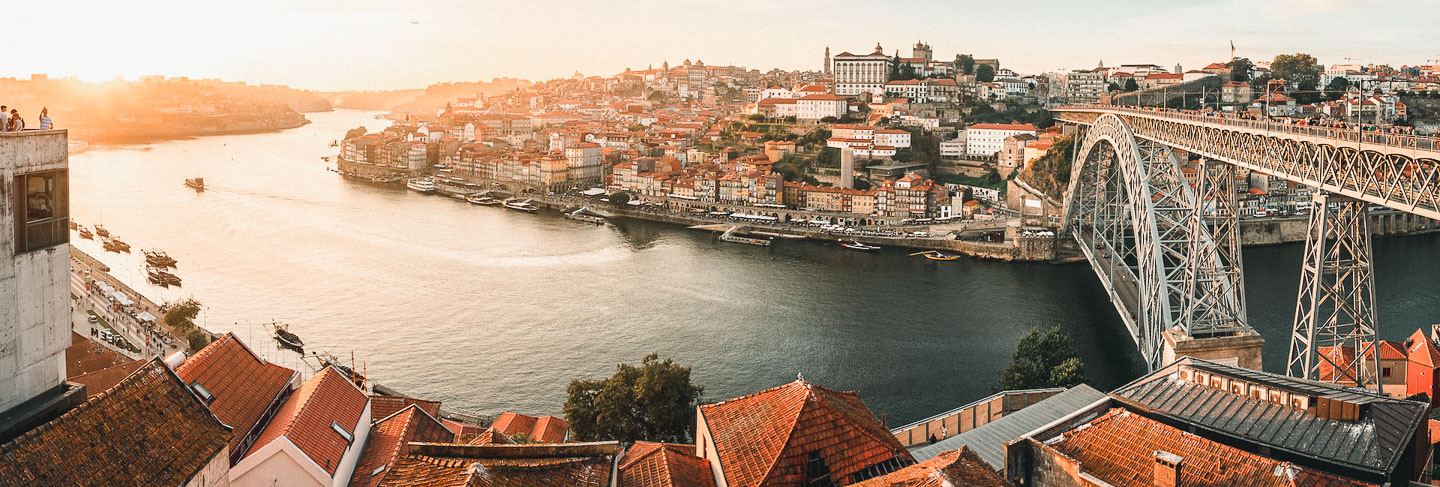
Porto has played a major role in both the early and modern history of Portugal.
Some key historical events:
In 1387, King John I married Philippa of Lancaster in Porto creating a military alliance between Portugal and England.
In the 14th and 15th centuries, Porto developed considerably with a flourishing shipbuilding industry devoted to supporting the voyages of exploration to the New World.
During the 18th and 19th centuries, Porto expanded and became a major industrial centre, known for its wine production.
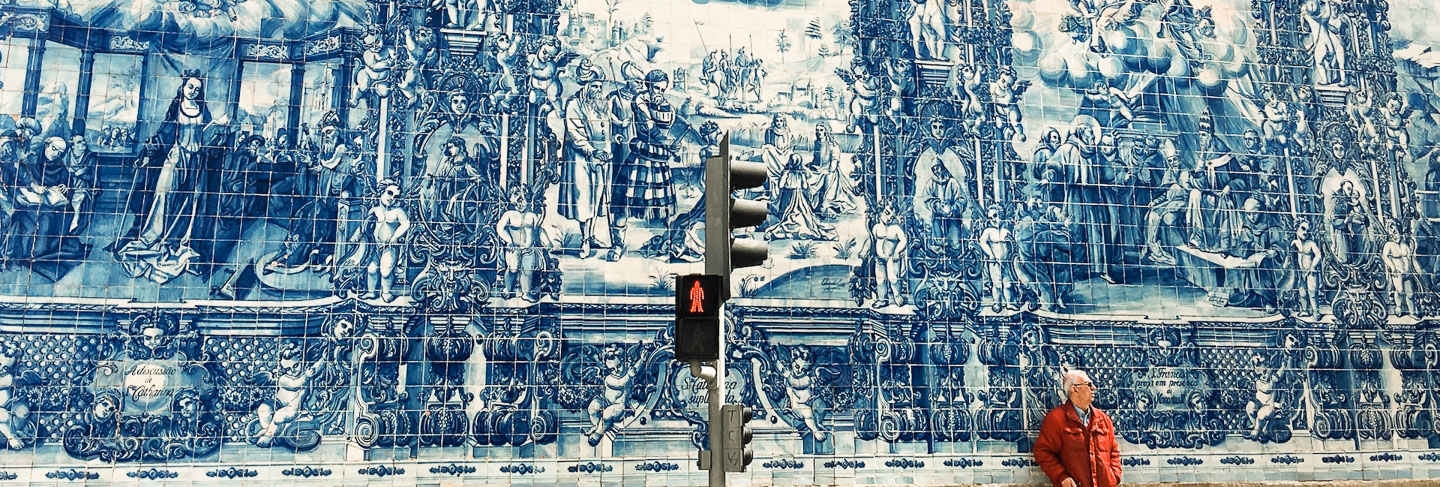
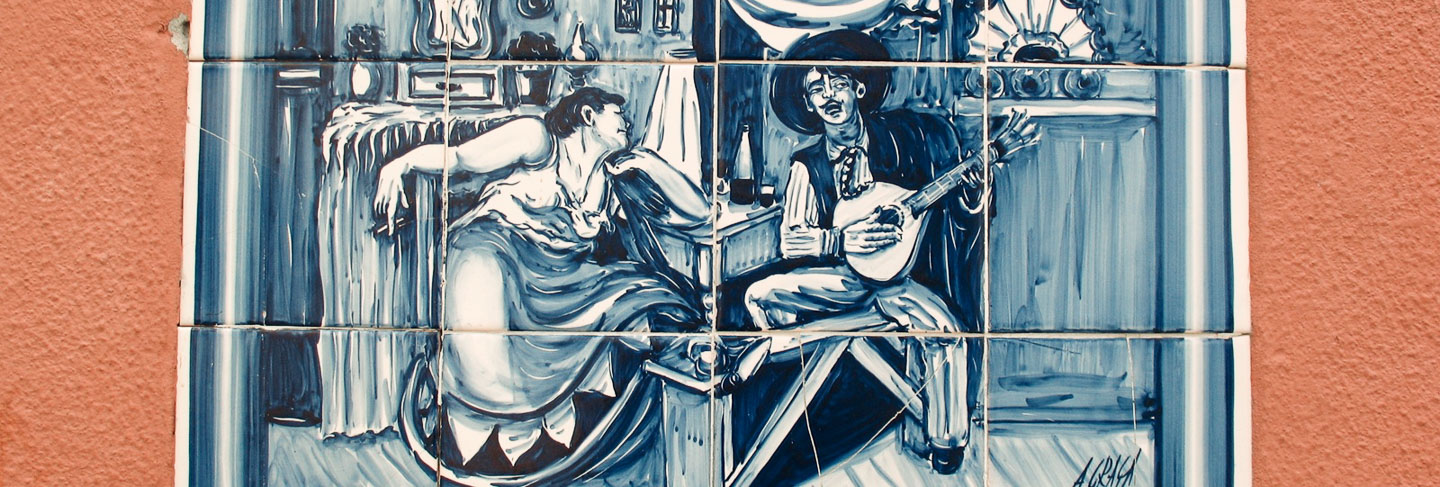
Many buildings in Porto are adorned with colourful glazed tiles, painted with beautiful patterns using simple geometric shapes, with impressive floral decorations or even with illustrated stories: these are the famous azulejos, whose name derives from the Arabic الزليج "al zulaycha" which means "small polished stone". The dominant colour is blue, followed by yellow.
These beautiful earthenware creations are used to decorate all types of buildings, from churches to restaurants to ordinary houses, while the Sao Bento train station and Igreja Capela Das Almas are two famous examples. It should be noted that their role is not purely aesthetic, as they are used to protect the walls in wet weather.
As you might expect, souvenir shops in Porto are full of examples to bring back from your trip, as well as all kinds of items bearing azulejo prints.
Listed as an Intangible Cultural Heritage by UNESCO, Fado is an intense and melancholic musical style, intimately linked to the history and culture of Portugal, a traditional song that expresses all the "saudade" of the Portuguese soul. Attending a Fado concert is one of the most enjoyable cultural experiences to be had in Porto and losing yourself in the saudade-heavy air is a great way to spend an evening.