Spain is one of the world’s great travel destinations. A distinctive culinary culture, sultry music and classic literature to capture the imagination, a vast coastline boasting stunning beaches and island escapes, vibrant cities and quaint whitewashed villages, architectural wonders and beautiful and varied hiking trails all come together to offer something for everyone.
With so much to see and do, how do you prioritise it all on your visit to this Iberian jewel? Let Villanovo help you with our guide…
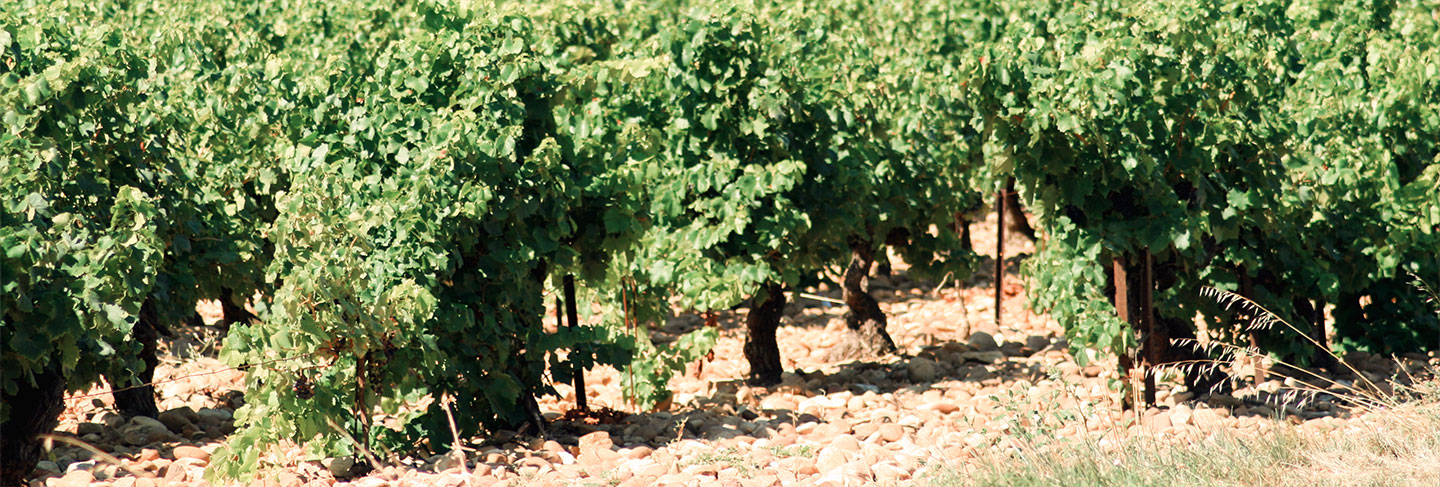
In the northwest of the island, the Pla de Corona is the most typical rural landscape in Ibiza. Small traditional farmhouses, vineyards, olive trees, carob trees, fig-trees and flocks of sheep: this fertile red land reveals another side of Ibiza.
From the end of January to February, the almond trees blossom and turn white, creating magical landscapes celebrated by painters and photographers alike.
The Andalusian pueblo blanco of Ronda is a sight to behold. Not only is it gorgeous in its own right, perched high on a hill overlooking a spectacular panorama of endless greenery below, but it boasts a magnificent tall bridge which has inspired many a writer – Ernest Hemingway among them, who based the most famous chapter of For Whom the Bell Tolls on events said to have taken place there
The La Garrotxa Volcanic Zone Natural Park in the northern region of Catalonia offers a range of grandiose landscapes, with more than forty volcanoes hidden among the vegetation. Thanks to its colourful tones, which change from season to season, La Garrotxa is a real pleasure to visit all year round.
The Alta Garrotxa is a high mountain area, offering a quiet, magnificent beauty. Do not miss the picturesque villages of Oix and Beuda.
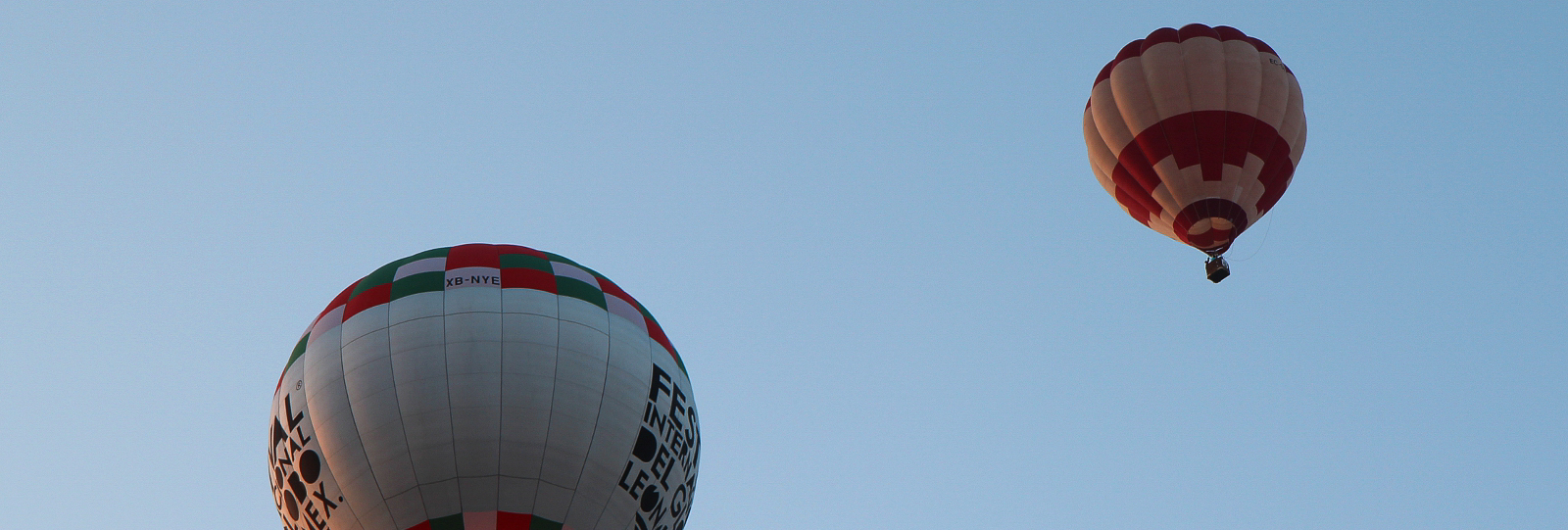
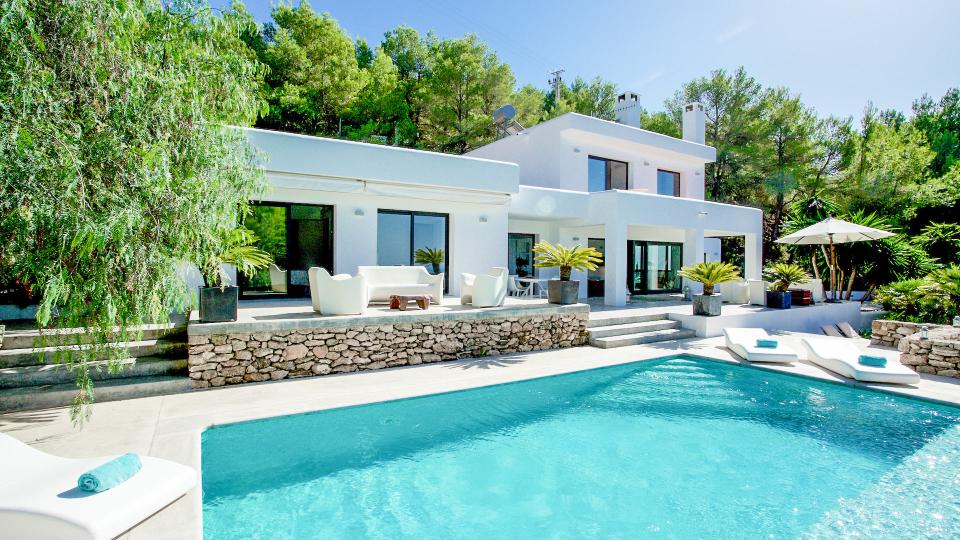
This area is part of the Natura 2000 network, a European initiative to protect unique natural areas. And for a truly unforgettable experience you can even take a hot air balloon over La Garrotxa. Ask our local experts for more details when booking your luxury villa in Catalonia.
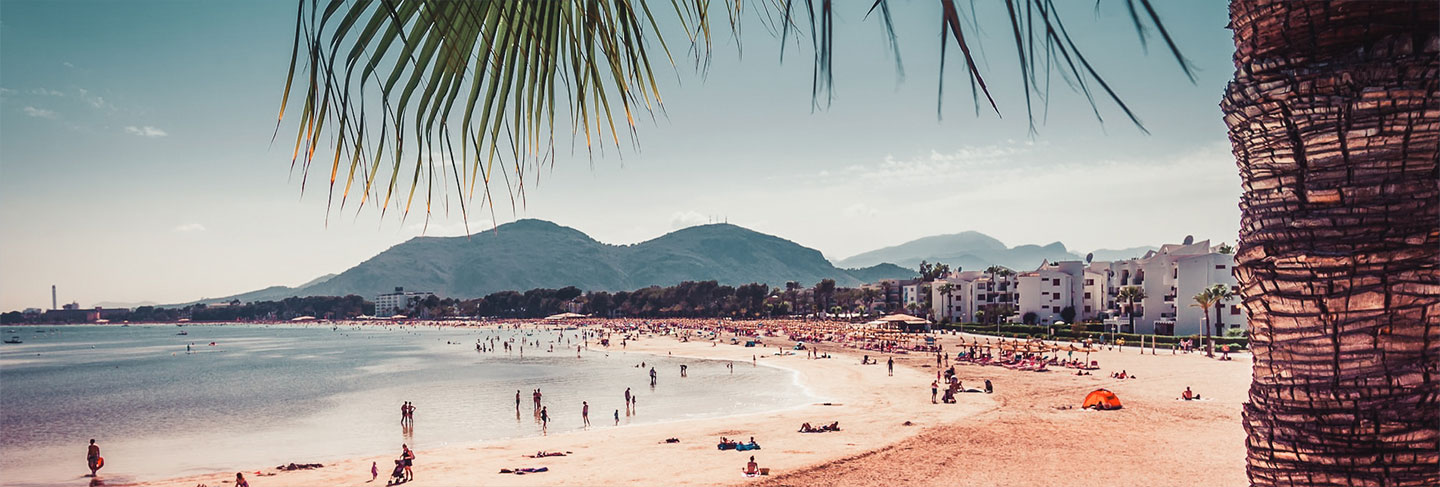
From the rugged, rocky beauty of Menorca to the vast sweeps of white sand and turquoise waters of Tarifa, from the picturesque fishing villages hidden away in the coves of the Costa Brava to the black volcanic sand of the Canary Islands, Spain has beaches to cater for every whim and fancy. For a more detailed look at the beaches of Spain take a look at our dedicated guide.
At Villanovo, we pride ourselves on offering experiences that get you off the beaten track and show a side of our destinations that you might not find elsewhere.
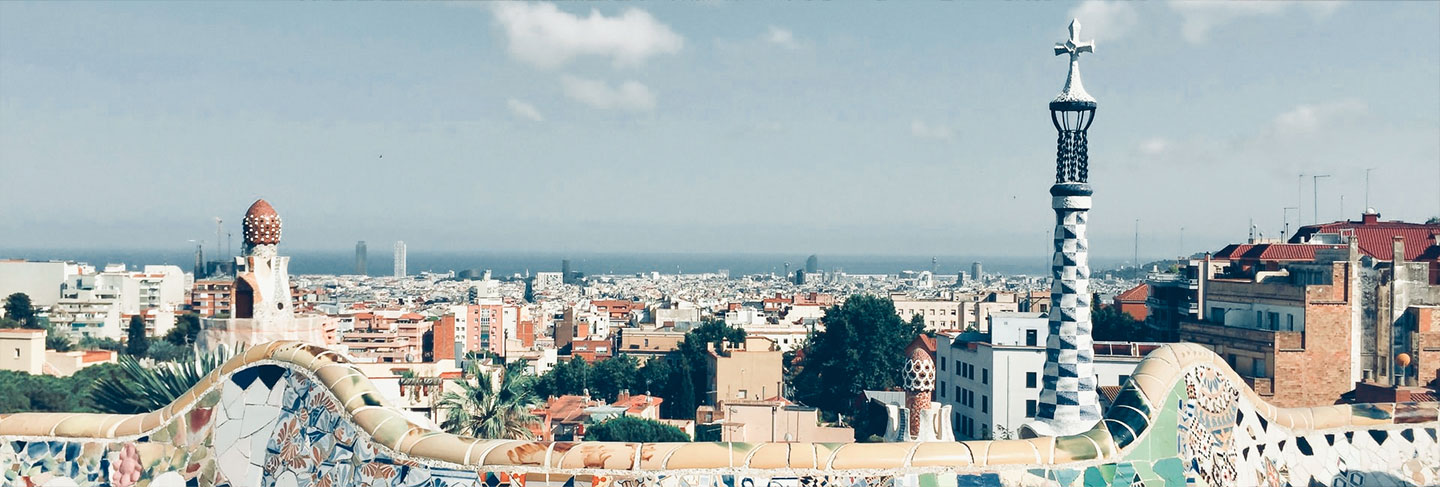
However, on this occasion we have to side with the crowd. Barcelona, with its unmissable (in every sense of the word!) Sagrada Familia Cathedral, delightful Park Güell, the labyrinth of taverns that make up its Gothic quarter, its legendary Camp Nou, its vibrant city beaches, chic cafes, and colourful neighbourhoods, its spectacular monuments, museums and endless summer fiestas – not to mention wealth of shopping destinations, both famous and boutique - set it apart as a city not to be missed.
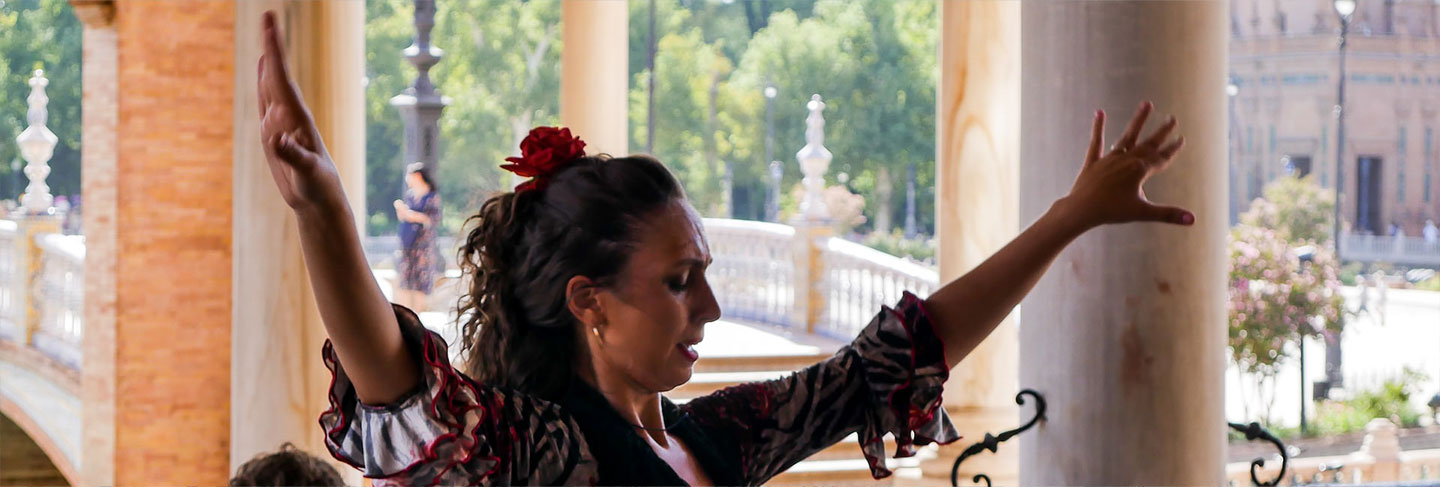
It’s impossible to mention the word Spain and not immediately conjure images of bullrings and flamenco.
This traditional musical style provides perhaps the most visceral and passionate live music experience you can find in Europe. If you find yourself in Granada then head to the neighbourhood of Albaicin where you are likely to see street performances, or to the cuevas (caves) of the traditional Sacromonte neighbourhood. Those visiting Seville should try the “Los Gallos” tablao for an experience you won’t forget in a hurry.
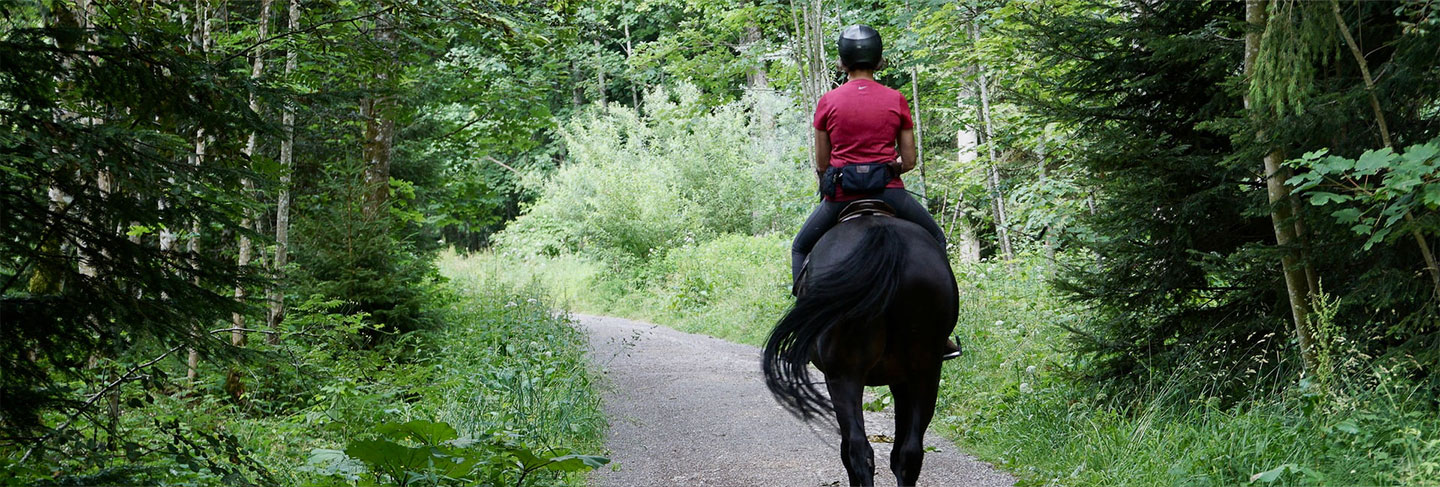
While no one can deny that the Balearic Islands’ fame for their chic bars and spectacular nightlife is well-deserved, there is another, quieter side to these storied isles that charms in an altogether different way. The secluded coves and peaceful, lush countryside offer you a chance to escape the bustling cities and truly unwind. And what better way to do so than to visit Mallorca and Menorca on horseback? In 2010 Menorca saw the reopening of its public Cami des Cavalls (bridleway), possessing a historical and cultural value to which the Menorcans are particularly attached. Its origins date back to the era of King Jaime II, who is said to have ordered the knights to patrol the entire coast to defend the island and its inhabitants. Today, the path is an ideal route for all types of excursions: on foot, by bicycle or on horseback. Meanwhile, over on Menorca’s big sister, Mallorca, a number of horse-riding centres offer excursions both along its beautiful beaches and in the heart of the Mallorcan countryside.
Well, when in Rome…
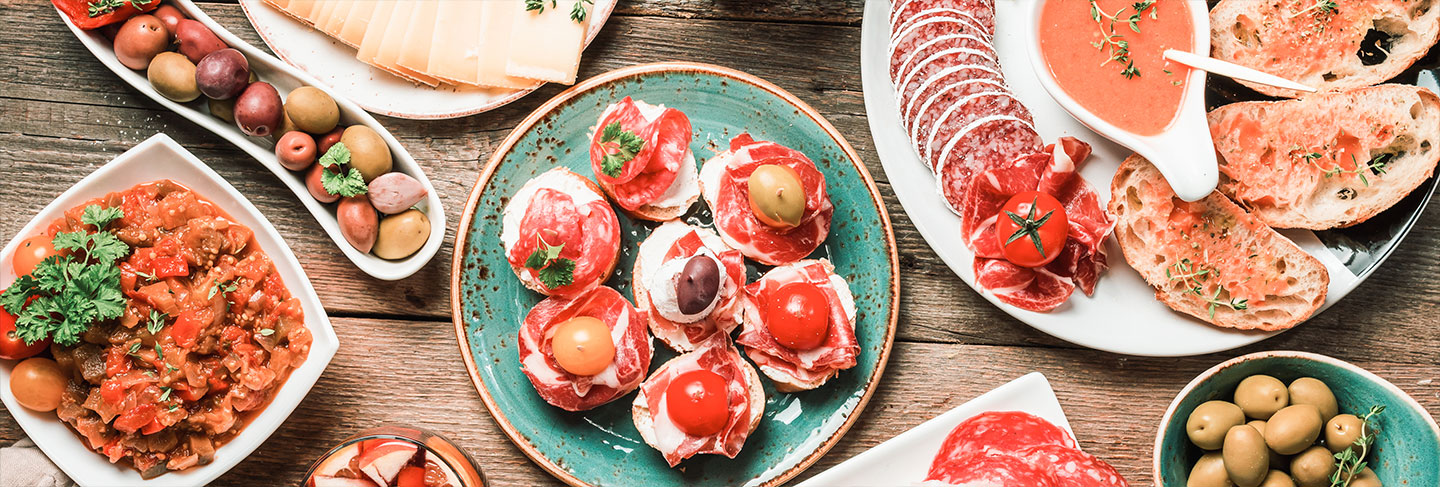
Tapas restaurants may have popped up in many major cities around the world, but nothing beats the real thing. Take a look out our guide to Spanish cuisine for more details. And if you venture south to the taverns of Andalusia, don’t be shocked to see locals throwing their olive pits, toothpicks and napkins on the floor beneath them when they’re done with them – it’s an authentic and accepted part of the culture!
The bucket-list experience of the Camino de Santiago de Compostela will surely delight fans of hiking, horseback or cycling in the wilderness. Choose the marked route that suits you best and take it on in stages. The peaks of the Pyrenees, the fertile valleys of the Ebro in Navarre and Aragon and the caves of Ojo Guareña in Burgos are astounding sites all waiting to be discovered, along this incredible trail.
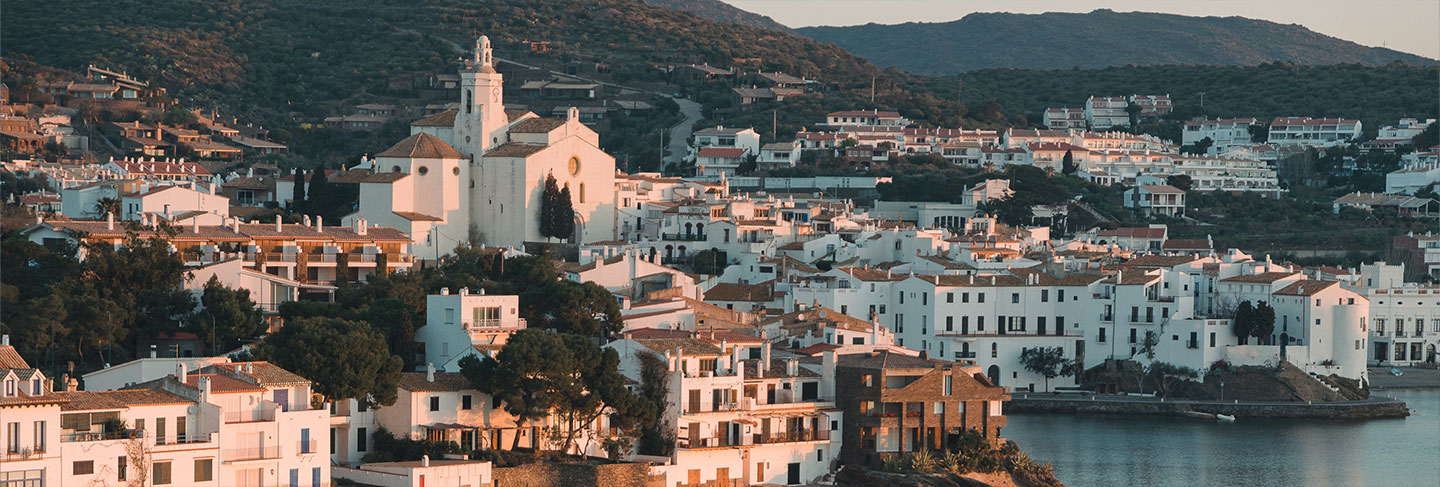
Cadaques, which sits on a peninsula along the northern Mediterranean coast between Girona and the French border, is an old fishing village in the heart of the Cap de Creu Natural Park. The village boasts beautiful, whitewashed houses, narrow cobbled streets with cascading bougainvillea as well as a mountainous backdrop, all making for a perfect holiday postcard. Major artists in the history of art and literature, such as Federico García Lorca, Pablo Picasso, Joan Miró, and, above all, Salvador Dalí have contributed to its fame. Don’t miss the baroque altarpiece in the Santa Maria church, built in the 16th century and the Serinyena house, a fine example of modernist architecture.